Mid-November Kayaking on Lake Champlain

I had just returned from paddleboarding this beautiful afternoon and noticed a kayaker was also enjoying the solitude of this November afternoon on Lake Champlain in Alburgh, Vermont.
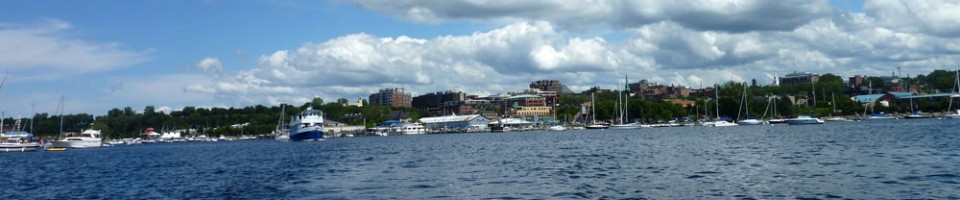

I had just returned from paddleboarding this beautiful afternoon and noticed a kayaker was also enjoying the solitude of this November afternoon on Lake Champlain in Alburgh, Vermont.

Vermonters have an opportunity to protect and restore watersheds through the Vermont Watershed Grants Program. Half of the proceeds derived from the sale of the Vermont Conservation License Plate go towards funding the Vermont Watershed Grants Program.
The Program is co-administered by DEC and the Department of Fish and Wildlife; and it distributes grant dollars for noteworthy local and regional water-related projects within Vermont. The other half of proceeds derived from the Conservation License Plate go towards helping the Vermont Non-Game and Natural Heritage Program.

If you’re interested, you can join their new mailing list to receive future announcements about the Watershed Grants Program. When you sign up to register, simply select “Watershed Grant Program announcements.”
 Municipalities, local or regional governmental agencies, nonprofit organizations, and citizen groups are eligible to receive Watershed Grants for work on public or private lands. Individuals and state and federal agencies are not eligible to receive funds directly, but may be partners of a project.
Awards made up to $10,000, depending on project category type. Category types and the maximum grant amount for each project category type are as follows:
– Education and outreach – up to $5,000
– Planning, assessment, inventory, monitoring – up to $3,500
– On-the-ground implementation – up to $10,000
Watershed Grants Program dollars are intended for complete projects or for discreet, identifiable portions of larger projects.
Grant awards are made on an annual cycle, with applications due in the fall of the year and funding decisions made the following mid-winter.
The 2017 Project Year grant application deadline is December 2, 2016. Persons interested in applying should consult and use the 2017 project year forms shown below.
A copy of the Grant Application Guide and the Grant Application may also be requested by contacting the Watershed Management Division.

More Lake Champlain News:

Supermoon Rising Over Lake Champlain
This photo of the Supermoon rising over Lake Champlain was taken by Betsy Dall from Grand Isle, Vermont on November 13, 2016.

 In 2016 bald eagles produced 34 successful young in Vermont, smashing the most recent record of 26 in 2013 according to the Vermont Fish & Wildlife Dept. The birds remain on the list of species protected under Vermont’s state endangered species law, but this strong year has conservationists hopeful for their continued recovery.
This year also saw record nesting success for several other bird species monitored by biologists and volunteers in Vermont. Peregrine falcons successfully raised at least 81 young birds in 2016, breaking the previous state record of 67, according to Audubon Vermont who monitors nesting peregrine falcons in partnership with the Vermont Fish & Wildlife Department.

Vermont also welcomed 80 new birds to the state’s loon population, breaking the previous record of 69. The Vermont Center for Ecostudies monitors the state’s nesting loons.
The mild weather this spring likely helped boost numbers of all three birds, according to John Buck, migratory bird biologist with the Vermont Fish & Wildlife Department.
“The cooperative weather provided a bump to many species this year, but the continued recovery of these species is the result of a long-term effort by our department and our partners to conserve the habitat these birds need to thrive,” said Buck.
Peregrine falcons and bald eagles declined in the Twentieth Century nationwide due to loss of habitat, disturbance to nests, and the effects of the pesticide DDT. Laws such as the Clean Water Act, the Endangered Species Act, and a ban on DDT have aided in the recovery of these birds. Loons similarly faced dramatic declines as a result of shoreline development and human disturbance of their habitat.
In 2005, peregrine falcons, loons, and osprey were removed from Vermont’s state endangered species list following years of conservation effort. Bald eagles have recovered in most of the contiental U.S. and have been removed from the federal endangered species list, but remain on Vermont’s state endangered species list as they continue to recover locally.
“Vermonters have played a huge role in the recovery of these species,” said Margaret Fowle, biologist with Audubon Vermont. “We work with a large number of citizen volunteers who help monitor nests, while the general public has aided in recovery efforts by maintaining a respectful distance from these birds during the critical nesting season. Paddlers have been keeping away from nesting loons, and the climbing community has been helpful by respecting cliff closures and getting the word out about where the birds are.”

Vermonters can help researchers in their effort to conserve birds by donating online to the nongame wildlife fund at www.vtfishandwildlife.com or by purchasing a conservation license plate, including the new loon design plate.
|
|
The lakes, rivers and wetlands of Lake Champlain’s Missisquoi Bay watershed provide recreational opportunities, drinking water and support for wildlife habitat and plant communities. Water resource protection and remediation is necessary to ensure the community’s continued enjoyment of these uses.

Karen Bates, Watershed Management Division basin planner, and partners in the watershed have assessed water resources, conducted high-resolution water quality modeling, and combed through every previous assessment to document projects to protect high quality waters and remediate where needed. The result is the draft Missisquoi Bay Watershed Tactical Basin Plan, which is now ready for public review and comments. The plan also contains a chapter on how the basin-scale allocations of the new Lake Champlain Total Maximum Daily Load(TMDL) are broken down into small geographic areas to assist communities and stakeholders in identifying the best locations to implement phosphorus reduction projects. The following table outlines the plan objectives and strategies.

A series of three public meetings to learn more about the tactical basin plan and provide comments has been scheduled over the next month. The meetings are co-hosted by the Northwest Regional Planning Commission, the Northern Vermont Development Association, and the Lake Carmi Local Implementation Team. The schedule is:
The draft tactical basin plans will be accessible via the Watershed Management Division’s basin planners and online.
The public comment period is November 1st through close of business (4:30 pm) on December 2nd.
For more information, contact Karen Bates by email or phone at (802) 490-6144.
Other Articles About Missisquoi: